
Inclusion
At Central Yorke School, we recognise and appreciate that each child has their unique story, experiences, challenges, and abilities. We firmly believe that every student is a capable learner and a valued member of their class and school community. Our goal is to offer an inclusive, engaging, and rigorous curriculum tailored to each student. This is accomplished by fostering supportive and inclusive classrooms where students learn alongside their peers, with differentiated teaching and curriculum adaptations as needed. It is essential that all students can participate in every aspect of school life while accessing quality learning and developing meaningful social relationships.
Throughout the school, students receive support in classrooms from teachers and Support Service Officers (SSOs). The school is committed to increasing SSO staff and implementing a range of early intervention programs based on ongoing data, providing students with additional support as they begin their educational journey.
With parental permission, we also work in partnership with Allied Health Services, TAFE, and other paediatric and psychological specialists to ensure the best outcomes for our students.
Across Central Yorke School, our aim is to empower each individual student to grow as a person, to lead, to achieve, and to contribute to our community and the greater society.
HUB
We support students with diagnosed or imputed disabilities or learning difficulties with a One Plan and HUB-based learning approach. HUB placement involves a lower student-to-teacher ratio with a higher education support ratio to ensure an individualised, tailored learning intervention for severe complex barriers. HUB placements are recommended, referred, and developed by teachers and the Inclusive Education Leader in partnership with students and parents to clearly outline the functional impact on the student’s learning and the adjustments made to ensure the student can access their learning successfully.
MiniLit
MiniLit is a small group reading programme for students in the bottom 25% of the expected range for their age group in Years 1 and 2. The programme provides explicit instruction in phonemic awareness, systematic synthetic phonics for reading and spelling, letter formation, and connected text reading.
MacqLit
MacqLit is an explicit and systematic reading intervention programme for small groups of older low-progress readers. It provides teachers with a comprehensive sequence of lessons that includes all the key components necessary for effective reading instruction: phonemic awareness, phonics, and regular comprehension.
Speech
Additional speech support is based on recommendations and programmes provided to our site by allied health speech pathologists. Speech sessions are scaffolded on the recommendations made by DfE speech therapists from Student Support Services.
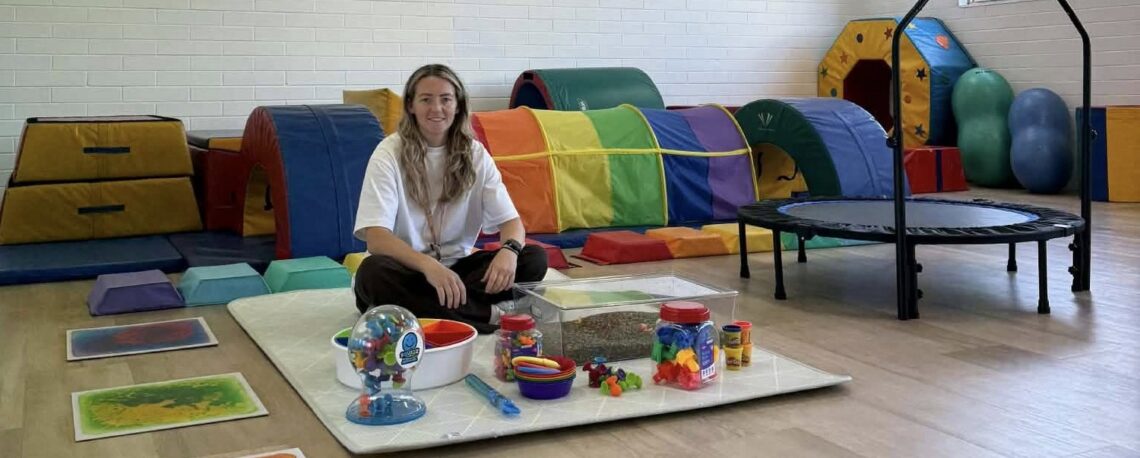
Occupational Therapy (OT)
Occupational therapy in schools supports students in developing the skills they need to participate fully in their learning and school activities. This includes addressing physical, sensory, cognitive, social, and emotional challenges.
Tailored Learning
Tailored Learning provides flexible ways to support students in their learning and wellbeing, helping and encouraging students to work out a future pathway for their life. As a Tailored Learning enrolment, students are offered:
- Appropriate school and/or community-based flexible learning programs
- Provision of individual case management with an onsite Case Manager – Youth Worker
Case management supports Tailored Learning students and families to address barriers to engagement and assist young people to re-engage with learning and successfully return to school, or move to further education, training, or employment. Students’ learning programs may take place in a variety of school and/or community settings.
Tailored Learning case managers work with students to create individualised learning pathways that reflect the student’s skills, interests, and aspirations. Learning pathways may include full-time/part-time school, vocational courses through TAFE SA or registered training organisations (RTOs), access to learning through the school’s Wellbeing HUB or community-based program providers, volunteering, and structured work placement.